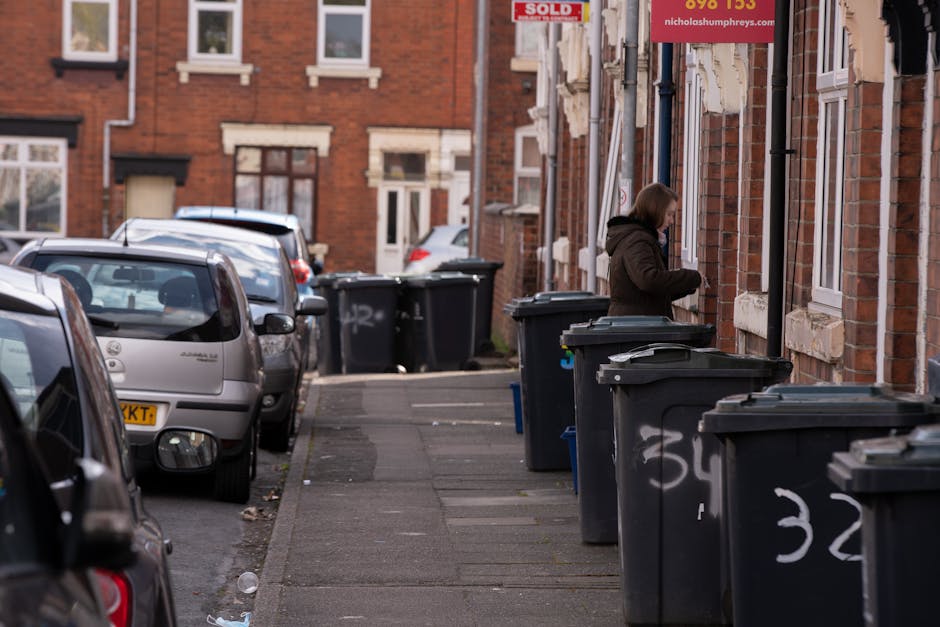
Woolwich SE18 rubbish collection guide for Powis Street homes
If you live on or near Powis Street, you already know rubbish collection is rarely as simple as "put it out and forget it." Flats, terraces, tighter pavements, loading restrictions, shared bins, and the usual London rhythms can turn a straightforward job into a bit of a juggling act. This Woolwich SE18 rubbish collection guide for Powis Street homes is here to make that easier. It explains how rubbish collection works in practice, what to do with bulky waste, how to avoid common mistakes, and when a professional service can save you time, hassle, and a few unhappy phone calls.
Whether you are clearing out a flat, dealing with post-refurbishment debris, or just trying to stop bags from piling up in the hallway, the right approach matters. A tidy collection plan keeps things safer, cleaner, and far less stressful. And yes, that includes the annoying bits, like awkward stairwells, a broken lift, or the bin store that seems to shrink every winter.
Table of Contents
- Why this matters on Powis Street
- How rubbish collection works
- Key benefits and practical advantages
- Who this guide is for
- Step-by-step guidance
- Expert tips for better results
- Common mistakes to avoid
- Tools, resources and recommendations
- Law, compliance and best practice
- Options and comparison
- Real-world example
- Practical checklist
- Conclusion
- Frequently asked questions
Why Woolwich SE18 rubbish collection guide for Powis Street homes Matters
Powis Street sits in a busy part of Woolwich, and that local context changes how rubbish handling feels day to day. Homes here may have limited front access, shared entrances, narrow staircases, or parking that is never quite as convenient as you hoped it would be. Even a small pile of waste can become a nuisance fast if it blocks access, attracts smells, or spills into shared areas. Let's face it, nobody enjoys stepping over black bags on the way out in the morning.
This is why a local rubbish collection approach matters. It is not only about getting things removed. It is about timing, access, presentation, safety, and making sure the waste goes to the right place. A good plan helps households stay compliant with local expectations and avoids the sort of mess that neighbours notice immediately. In mixed residential streets, those little details count.
For many Powis Street homes, rubbish collection also intersects with other kinds of clearance. A flat clear-out might include old furniture, while a loft tidy-up could uncover broken boxes, carpet offcuts, or dusty stored items nobody has looked at in years. In those cases, a broader service such as flat clearance or home clearance can be a more sensible fit than trying to move everything in separate trips.
Expert summary: On Powis Street, good rubbish collection is less about "taking waste away" and more about planning the removal around access, safety, neighbours, and the type of waste you actually have.
How Woolwich SE18 rubbish collection guide for Powis Street homes Works
In practical terms, rubbish collection for Powis Street homes usually falls into a few broad routes. Some waste is suitable for routine household collection, some needs a special pickup, and some is better handled by a private removal team. The right option depends on volume, type, urgency, and how easy it is to carry the waste out of the property.
For everyday rubbish, the process is simple enough: sort the waste, store it safely, and put it out according to local collection arrangements. But with bulky items, building debris, or mixed waste from a clear-out, the picture changes. You may need a more flexible collection method, especially if the waste cannot safely sit outside for long or if you need same-day removal. That is where a service like waste removal often becomes useful.
Here is the basic flow many households follow:
- Identify the waste type: household rubbish, bulky items, garden waste, renovation debris, or mixed junk.
- Separate anything reusable, recyclable, or hazardous.
- Check access: stairs, lifts, parking, and whether the waste can be carried through shared spaces.
- Choose the collection method: council-style collection, private removal, or a specialist clearance service.
- Arrange a suitable time slot and make sure items are ready to go.
- Confirm what is included so there are no surprises on the day.
In our experience, most problems happen before collection day, not during it. A sofa left in the wrong place, a bag that tears in the rain, or a builder's sack hidden behind a gate can slow everything down. A little prep goes a long way.
Key Benefits and Practical Advantages
There are a few clear advantages to handling rubbish collection properly in Powis Street homes. The biggest one is peace of mind. When waste is removed in a controlled, organised way, you are not constantly thinking about where to put the next bag or whether the corridor smells a bit off after a warm afternoon.
Other benefits are more practical:
- Better space management: Clear rooms, tidy hallways, and usable bin areas make daily life easier.
- Reduced safety risks: Loose items, broken glass, and stacked bags can cause trips and cuts.
- Less neighbour friction: Shared buildings work better when waste is moved promptly and cleanly.
- More efficient moves and refurbishments: It is easier to decorate, pack, or sell a property when rubbish is gone.
- Cleaner presentation: If you rent out a flat or are preparing a sale, first impressions matter.
For heavier loads or awkward items, using a dedicated service can also save your back. That may sound obvious, but plenty of people still try to do everything themselves with one trolley and a hopeful attitude. Not always the best plan, frankly.
Where furniture is part of the mix, you may find it useful to look at furniture clearance or furniture disposal if sofas, beds, wardrobes, or tables need removing safely and responsibly.
Who This Is For and When It Makes Sense
This guide is useful for a wide range of Powis Street residents, not just people doing a big clear-out. You might need it if you live in a compact flat, manage a rental, are helping an older relative, or are dealing with a sudden burst of waste after a DIY job gone a bit sideways.
It especially makes sense if you are:
- moving home and need fast rubbish clearance before handover
- clearing clutter from a flat, loft, or garage
- replacing furniture and need the old items gone
- disposing of renovation or builders' waste
- dealing with a landlord or tenancy end cleanup
- running a small home office and need office waste removed
Sometimes the trigger is more ordinary. A few weeks of "we'll deal with that later" can turn into three bin liners, a broken chair, old packaging, and a bag of mystery cables. We have all seen that corner of the room. It grows quietly. Then all at once, it becomes the main event.
If your waste is tied to a larger property clear-out, house clearance or loft clearance may be more appropriate than piecemeal collection.
Step-by-Step Guidance
If you want a smooth collection on Powis Street, structure helps. Here is a practical step-by-step approach that works well in real life, not just on paper.
1. Walk through the property first
Look at every room, hallway, stairwell, and outside area. Decide what is staying, what is going, and what needs special handling. Be honest with yourself here. A lot of wasted time comes from leaving decisions until the collection team is already outside.
2. Separate waste by type
Group items into general household rubbish, recyclable material, bulky furniture, and anything that needs specialist handling. If you have garden cuttings, builder's rubble, or office paperwork, keep those separate where possible. It makes the process cleaner and easier to price.
3. Check access and timing
On a busy street, timing matters. Think about parking, lift access, and whether bins or sacks can be moved without blocking neighbours. If access is awkward, mention it early. It avoids that awkward pause when everyone is standing around wondering how a wardrobe is supposed to fit through a doorway that was clearly designed by an optimist.
4. Book the right type of collection
Match the service to the waste. A light household load is one thing. Mixed rubbish, furniture, or refurbishment debris is another. If the job includes messy or heavy material, a broader builders waste clearance service may be the safer route.
5. Prepare items before collection day
Place waste where it can be reached safely. Break down cardboard, remove loose contents from drawers, and tape sharp edges where needed. Keep the route clear. A tidy setup speeds everything up and lowers the chance of damage.
6. Confirm what happens after pickup
It helps to understand where the waste is going next. Reuse, recycling, and proper disposal should all be part of the conversation. That is one reason many households prefer services that can explain their recycling approach clearly, rather than treating everything as one big anonymous pile.
Expert Tips for Better Results
A few small adjustments can improve the entire experience. These are the sort of details that rarely make it onto a quick checklist, but they matter.
- Photograph the waste before booking. Even a couple of clear pictures help you judge the load more accurately.
- Measure large items. A sofa looks smaller until you try to take it down a tight staircase.
- Keep one clear pathway. It sounds basic, but a free corridor reduces trip hazards and speeds up loading.
- Use bags with a bit of breathing room. Overstuffed sacks split at the worst possible moment.
- Tell everyone in the property what is happening. Shared homes go smoother when nobody is surprised by a pile of waste near the front door.
If you are clearing an outside space as well, garden clearance can be a neat add-on. Garden waste tends to behave differently from household rubbish; it is bulkier, lighter, and somehow always manages to shed twigs everywhere.
One more thing. If the waste includes items that are still usable, do not rush them straight to disposal. Rehoming or repurposing a couple of pieces can reduce volume and sometimes cut the job down noticeably. That little win feels good, too.
Common Mistakes to Avoid
Rubbish collection sounds simple until a few common errors creep in. Then the job takes longer, costs more, or becomes harder than it needed to be.
- Mixing everything together: Cardboard, rubble, furniture, and general rubbish all in one pile can complicate collection.
- Leaving sharp or broken items exposed: Broken glass and damaged wood need safer handling.
- Blocking entrances: In shared buildings, this can cause complaints quickly.
- Underestimating volume: Waste expands when it is sorted. It always does.
- Waiting too long to arrange removal: If bags are left sitting around, they can become a smell issue or attract pests.
- Forgetting to mention access problems: Parking restrictions, narrow steps, or a lift that may not work can all change the plan.
There is also the classic mistake of assuming "it will probably be fine." Sometimes it is fine. Often it is not. Better to check once than improvise under pressure on the morning of collection.
Tools, Resources and Recommendations
You do not need a mountain of equipment to organise rubbish collection well. A few simple tools make the process smoother.
- Strong refuse sacks: Use decent-quality bags that will not rip when carried downstairs.
- Marker pens or labels: Helpful when sorting mixed waste or keeping items for reuse separate.
- Gloves: Especially useful for dusty loft items, broken packaging, or garden debris.
- Tape and box cutters: Good for flattening cardboard and securing loose lids.
- Measuring tape: Worth having when bulky items need moving through compact spaces.
From a service perspective, it helps to choose a provider with clear pricing, solid safety practices, and an obvious recycling focus. You can review practical information on pricing and quotes, as well as the company's approach to recycling and sustainability. That combination tells you a lot about whether the service is organised or just winging it.
For broader property jobs, the following pages may also be relevant depending on what you are clearing:
- garage clearance for stored clutter and old equipment
- office clearance for desks, paperwork, and work furniture
- home clearance for mixed residential clear-outs
- waste removal for general mixed rubbish collections
Law, Compliance, Standards, or Best Practice
For rubbish collection in the UK, compliance is mainly about using responsible disposal routes, avoiding fly-tipping, and making sure waste is handled by people who know what they are doing. You do not need to become a legal expert, but you should know the basics.
Best practice usually means:
- not leaving waste in places that obstruct shared access
- sorting recyclable material where practical
- keeping sharp, heavy, or messy waste packaged safely
- using a provider that can explain where the waste goes
- choosing services that operate with sensible health and safety standards
If a property is part of a block or a managed building, there may also be house rules about where waste can be placed and when. Those rules are not glamorous, but they matter. If in doubt, ask before you move a pile of rubbish into a communal area.
A trustworthy provider should also be transparent about safety and insurance. It is fair to ask how items are lifted, whether staff use suitable protective equipment, and how damage risks are reduced. You can read more about this kind of approach on the site's health and safety policy and insurance and safety information.
Options, Methods, or Comparison Table
Different rubbish situations call for different methods. Here is a straightforward comparison to help you decide.
| Method | Best for | Pros | Trade-offs |
|---|---|---|---|
| Routine household collection | Everyday rubbish and standard bin waste | Simple, familiar, low effort | Limited capacity; not suitable for bulky loads |
| Special bulk collection | Large items or occasional overflow | Good for one-off clearances | May need planning and timing |
| Private rubbish removal | Mixed waste, fast turnaround, awkward access | Flexible, efficient, tailored to the property | Usually needs clear pricing and booking |
| Full property clearance | Multiple rooms, lofts, garages, or move-outs | Handles a lot at once, saves time | More involved than a basic pickup |
For a Powis Street home, the best option often depends less on the waste itself and more on the logistics. A single bulky item can be trickier than six bags if it will not fit down the stairs. That is the bit people forget.
Case Study or Real-World Example
Here is a realistic example from a typical Woolwich flat scenario. A resident on Powis Street needed to clear out a spare room before a family visit. At first glance, it looked like "just a few bags." Then the room was opened properly and out came old boxes, a broken chair, a mattress topper, several bagged clothes donations, a set of shelves, and a pile of mixed packaging from a recent delivery spree. The room had a narrow doorway, the lift was shared, and the loading bay outside was not exactly generous.
Rather than trying to split the job into several awkward trips, the waste was sorted by type, flattened where possible, and scheduled for one organised pickup. The furniture was separated from the mixed rubbish, and the route through the property was kept clear. The result was calmer, faster, and much less stressful for everyone involved. A neighbour even looked relieved, which tells you everything in a block like that.
The main lesson? Small clear-outs often turn into medium ones. Plan for that from the start. It saves time and prevents that slightly frantic feeling you get when the hallway is full and someone says, "I thought those bags were going tomorrow?"
Practical Checklist
Use this before collection day. It keeps things tidy and avoids last-minute surprises.
- Confirm what waste is going out
- Separate furniture, general rubbish, and recyclables
- Check stairs, lifts, and parking access
- Measure bulky items if space is tight
- Bag loose waste securely
- Flatten cardboard where possible
- Keep pathways clear
- Remove valuable or personal items from drawers and cabinets
- Tell household members or neighbours if shared access is affected
- Ask about recycling and disposal routes
- Keep sharp or heavy items safe and visible
- Have a backup plan if access changes on the day
If your job involves a loft, garage, or a mix of household items, it can also help to compare it with loft clearance or garage clearance so you know whether you need a simple pickup or a more complete service.
Get a free quote today and see how much you can save.
Conclusion
Rubbish collection on Powis Street is easiest when you treat it as a practical planning job, not just a disposal task. Think about access, timing, item type, and how the waste will move through the property. Do that well, and the rest tends to fall into place. Do it badly, and even a small amount of waste can feel oddly overwhelming.
If you need a reliable way to clear household waste, bulky items, or mixed rubbish in Woolwich SE18, the best next step is to choose the method that fits your property rather than forcing the property to fit the method. That single decision saves a lot of stress. And honestly, a clean hallway and a clear bin area can make the whole place feel better straight away.
For more about the business behind the service, you can also visit the about us page. If you are ready to arrange a collection, use the contact us page when you are ready. A simple conversation is often enough to turn a cluttered problem into a tidy result, which is a nice feeling at the end of the day.
Frequently Asked Questions
What counts as rubbish collection for a Powis Street home?
It usually includes standard household waste, bulky items, mixed junk, and in some cases furniture or light clearance material. The exact service depends on what needs removing and how much there is.
Can I put bulky waste out with normal bins?
Usually no, not if the item is too large or likely to block access. Bulky items are typically better handled through a special collection or a private rubbish removal service.
What should I do with old furniture before collection?
Clear drawers, remove loose items, and check whether the furniture can be dismantled safely. If it is being removed as part of a larger job, furniture clearance may be the better option.
How do I know whether I need waste removal or a full clearance?
If you are dealing with a few bags or a small amount of mixed rubbish, waste removal may be enough. If multiple rooms, storage areas, or large items are involved, a broader clearance is often more efficient.
Is rubbish collection on Powis Street tricky because of access?
It can be, yes. Shared entrances, stairs, parking, and loading space all affect how smoothly the job goes. That is why access details matter so much at the booking stage.
What happens if my waste includes garden cuttings or building debris?
Those waste types are usually better separated from general household rubbish. Garden waste and builders' waste often need their own handling because they behave differently and are processed differently.
How can I reduce the cost of a collection?
Sort waste in advance, flatten cardboard, separate reusable items, and provide clear photos or a good description before booking. Better preparation usually means a cleaner, more efficient job.
Do I need to be home during the collection?
That depends on the service and access arrangement. Some collections need someone present, while others can work if instructions are clear and access has been agreed in advance.
What should I ask before booking a rubbish collection service?
Ask what is included, how the waste is handled, whether recycling is part of the process, what access is needed, and whether there are any limits on item type or volume.
Is recycling part of responsible rubbish collection?
It should be. A good provider should aim to sort waste responsibly and recycle where possible, rather than treating everything as general rubbish.
What if I only need help with one awkward item?
That still may be worth arranging professionally if the item is heavy, bulky, or difficult to move safely through the property. One awkward sofa can be more trouble than a few small bags, surprisingly.
Where can I check service details and safety information?
Useful background information is available on the site's pages for pricing, recycling, safety, and company details, which can help you decide what suits your home and your schedule.