Setting Up a PPE Waste Disposal Station at Home or Work
Setting Up a PPE Waste Disposal Station at Home or Work
In today's environment, proper disposal of personal protective equipment (PPE) is essential for maintaining hygiene, safety, and public health. Whether you're managing a bustling office, a healthcare facility, or your own household, establishing a dedicated PPE waste disposal station is a critical step in preventing contamination and promoting sustainable habits. This comprehensive guide will walk you through the process of setting up an effective PPE waste disposal solution at home or in the workplace.
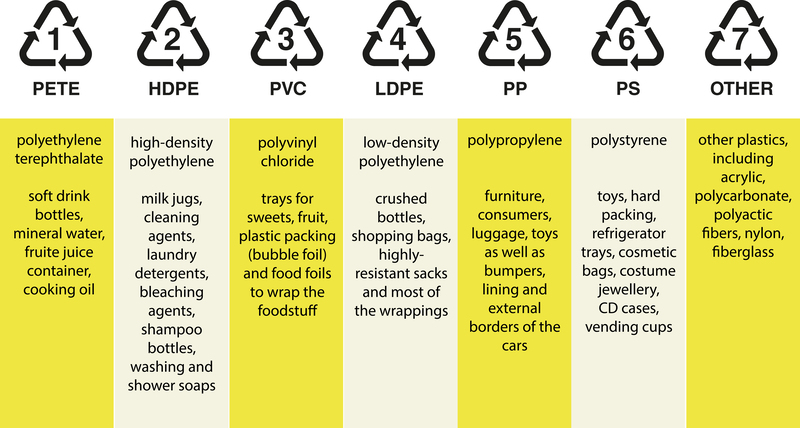
Why Proper PPE Waste Management Matters
PPE such as masks, gloves, face shields, and gowns play a vital role in protecting individuals from harmful pathogens, especially during outbreaks like COVID-19 or seasonal flu. However, improper disposal of used PPE can lead to:
- Environmental pollution - Many PPE items are non-biodegradable and can clog landfills or pollute natural habitats.
- Spread of infectious diseases - Contaminated PPE can harbor and transmit pathogens to waste handlers and the general public.
- Legal and regulatory consequences - Improper PPE waste disposal at workplaces can result in fines or penalties from health and safety authorities.
Therefore, setting up a dedicated PPE disposal station at home or work encourages responsible habits and reduces the risk of cross-contamination.
Understanding Different Types of PPE Waste
Before you establish your PPE waste disposal system, it's important to recognize the various types of PPE waste you might encounter:
- Single-use items: Disposable masks (surgical, N95), gloves, and protective gowns.
- Reusable items: Cloth masks and some face shields, which require proper cleaning before reuse.
- Other contaminated materials: Paper towels, cleaning wipes, or tissues that have come into contact with bodily fluids or infectious particles.
Planning Your PPE Waste Disposal Station
An effective PPE waste disposal station should be easy to use, accessible, and designed to minimize contact. Here is a list of essential components to consider:
- Location: Select a highly visible and convenient area while ensuring it does not obstruct normal movement.
- Designated containers: Use appropriate trash bins; consider color-coded or clearly labeled containers.
- Signage: Post clear instructions and warnings to educate users on proper disposal.
- Consumables: Provide adequate supply of disposable bags, sanitizer, and gloves for waste handlers.
- Regular maintenance: Designate a responsible person or team for monitoring, emptying, and sanitizing the station.
Implementing these elements will enhance compliance and keep your setting safer for everyone.
Step-by-Step Guide to Setting Up a PPE Waste Disposal Station at Home
1. Select the Right Location
At home, position your PPE disposal bin near the entrance or in high-risk zones (such as an in-home isolating area for sick members). This minimizes the risk of contamination spreading throughout your home.
2. Choose an Appropriate Disposal Container
Use a pedal-operated trash bin with a lid to avoid hand contact. Line it with a durable, leak-proof garbage bag. For extra protection, opt for a double-bagging approach.
3. Label the Bin Clearly
Attach a clear sign such as "PPE Waste Only - Do Not Recycle" to avoid confusion. Encourage everyone at home to strictly follow this rule.
4. Provide Hand Hygiene Supplies
Place a hand sanitizer dispenser or liquid soap nearby, reminding users to clean their hands after disposing of used PPE.
5. Establish Regular Disposal Routines
Assign a household member (wearing gloves and a mask) to seal and remove the bag daily or whenever it is two-thirds full. Store the sealed bag in an outside bin pending municipal collection.
6. Educate Family Members
Hold a brief discussion or post visual instructions outlining which items belong in the PPE bin and the importance of proper disposal.
Setting Up a PPE Disposal Station at Work
Workplaces face a higher volume of PPE waste, making an organized and compliant station crucial for safety and regulatory adherence.
1. Assess the Volume and Type of PPE Waste
Evaluate your workplace's daily PPE usage to estimate bin size and required frequency of collection. Consider creating separate disposal points in key areas like entrances, staff rooms, and high-traffic corridors.
2. Use Color-Coded, Labeled Disposal Bins
- Yellow bins: Often designated for medical/PPE waste.
- Red bins: For highly hazardous PPE waste (if applicable).
- Black/Blue bins: For recyclable or non-contaminated items.
Labels should clearly state: PPE Waste Only - No General Garbage. Include pictograms for easy understanding in diverse workplaces.
3. Position the Stations Strategically
Locate disposal stations in accessible yet safe spots, such as near restrooms, break rooms, or facility exits. Avoid placing PPE bins beside food preparation or eating areas.
4. Supply Supporting Hygiene Materials
- Hand sanitizers and handwashing sinks.
- Extra gloves for housekeeping staff handling waste.
- Cleansing sprays or disposable disinfectant wipes.
5. Train Staff on PPE Waste Protocols
Implement short training sessions about what constitutes PPE waste, correct disposal steps, and who to contact in case of spillage or overflow. Provide written SOPs (Standard Operating Procedures) or quick-reference guides.
6. Schedule Regular Disposal and Bin Sanitization
Set up a timetable for waste collection--ideally at least daily. Assign a trained person or third-party service for safe handling, with PPE at all times. After each emptying, clean and disinfect the bin thoroughly.
7. Monitor and Review
Regularly check the condition and effectiveness of your PPE waste disposal systems. Adjust the frequency of waste removal and restock consumables as needed. Solicit feedback from staff on any required improvements.
Best Practices for Safe PPE Waste Disposal
- Never dispose of PPE in recycling bins: This contaminates recyclable materials and poses health risks to handlers.
- Avoid overfilling disposal bins: Replace bags before they reach capacity to prevent spills.
- Seal bags tightly: Double-knot and avoid compressing, which can eject particles.
- Use disposable gloves when handling filled bags: Discard gloves after single use.
- Wash hands immediately after handling PPE waste: Use soap and water for at least 20 seconds, or hand sanitizer if not available.
- Do not burn or flush PPE items: This is hazardous and environmentally damaging.
How to Dispose of PPE Waste Responsibly
Whenever possible, follow your local municipality's PPE waste disposal guidelines. If specific services are offered (such as medical waste pickups), utilize them. Otherwise, use the following steps:
- Seal the PPE waste in two heavy-duty garbage bags.
- Clearly mark the outside bags as PPE waste.
- Store separatly from other trash until collection day.
- Wash hands and surfaces thoroughly after handling.
*Note: Some communities may offer designated drop-off points or special days for hazardous household waste, which can include PPE waste disposal.
Recycling and Eco-Friendly PPE Alternatives
Recycling PPE Waste - Is It Possible?
While PPE recycling is limited, innovative programs are emerging to repurpose single-use masks and other materials into building products or energy. However, never place used PPE in standard recycling streams unless explicitly accepted by your local service.
Where available:
- Look for manufacturer take-back programs or municipal pilot schemes for mask recycling.
- Encourage your facility to participate in PPE recycling initiatives such as specialty bins for non-hazardous PPE.
Opt for Reusable or Biodegradable PPE
If appropriate (especially at home), consider:
- High-quality washable cloth masks.
- Biodegradable gloves and PPE made from plant-based materials.
Always sanitize reusable PPE between uses and retire them when damaged or soiled.
Compliance and Legal Considerations
Some jurisdictions have specific rules about PPE waste disposal in workplaces, especially for healthcare and service industries. Key requirements may include:
- Maintaining records of waste volume.
- Safe storage and timely removal schedules.
- Written procedures and regular training for staff.
- Certification from accredited waste disposal contractors.
Always consult local health and safety authorities or your workplace safety officer to ensure your station complies with the latest guidelines.
Common Mistakes to Avoid in PPE Waste Disposal
- Mixing PPE with regular recyclables or compost.
- Allowing bins to overflow.
- Placing PPE waste in open or semi-open containers.
- Neglecting to restock or maintain disposal stations.
- Failing to inform users about proper PPE waste practices.

Educating Others is Key
Successful PPE waste management starts with awareness. Display posters, share digital guides, or organize short info sessions on the importance of PPE waste disposal and correct usage of your station at home or work.
Conclusion: The Importance of Proper PPE Waste Disposal Stations
Establishing an organized, well-labeled, and accessible PPE waste disposal station at home or in the workplace is a simple yet highly effective step toward infection control, environmental stewardship, and regulatory compliance. By following the step-by-step strategies outlined here, you can protect families, staff, and the wider community--while also playing your part in mitigating pandemic and public health risks.
Make PPE disposal best practices a priority in your daily routine. Whether at home or work, it's a responsibility we all share for a safer tomorrow.